

Promociones
Consulte todas las promociones de la DOP Condado de Huelva


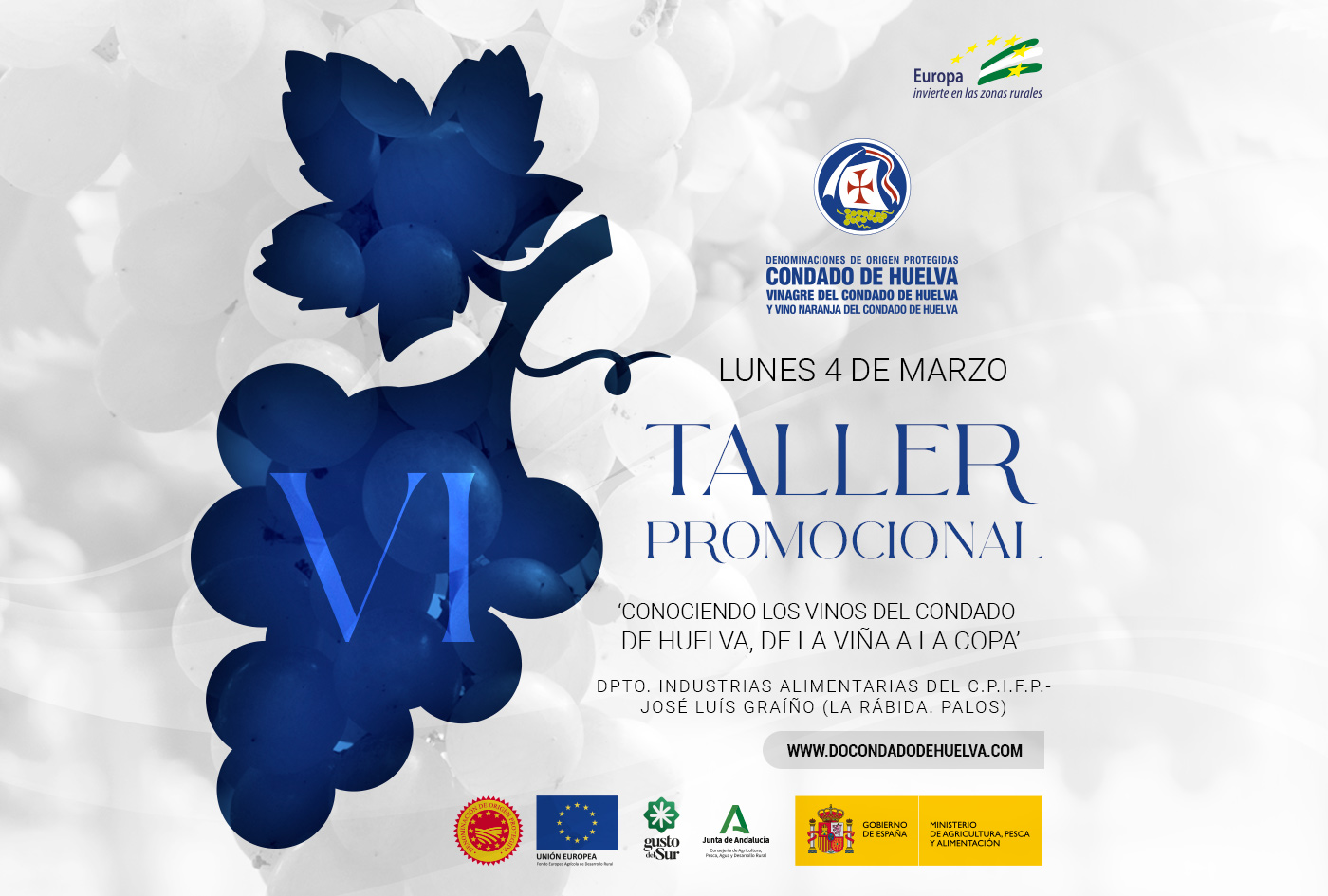
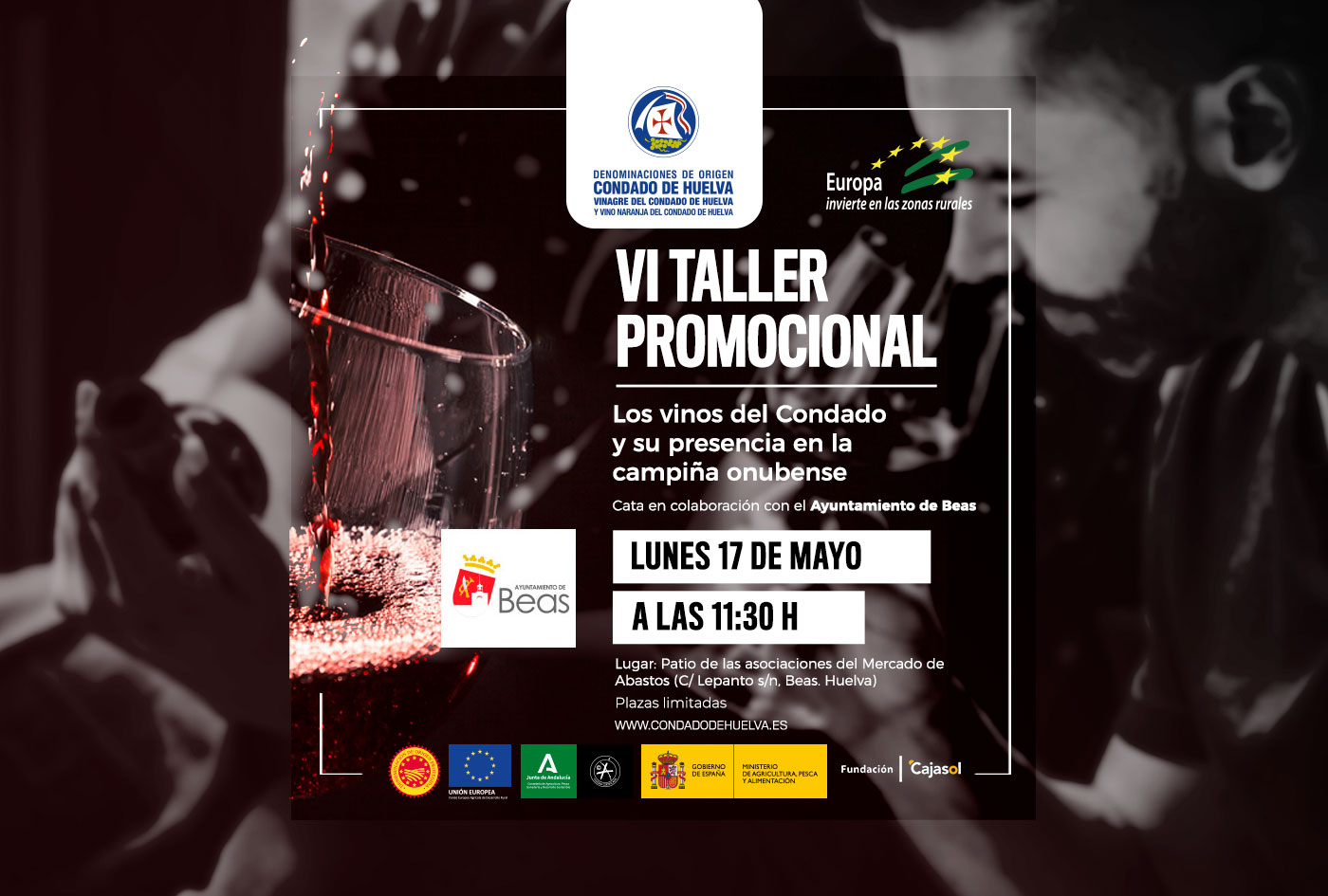
VI Taller Promocional ‘CONOCIENDO LOS VINOS DEL CONDADO DE HUELVA, DE LA VIÑA A LA COPA’
En este taller, de duración aproximada de dos horas, se combina un parte teórica en la que se describe nuestra Denominación de Origen, desde sus comienzos hasta la actualidad, r
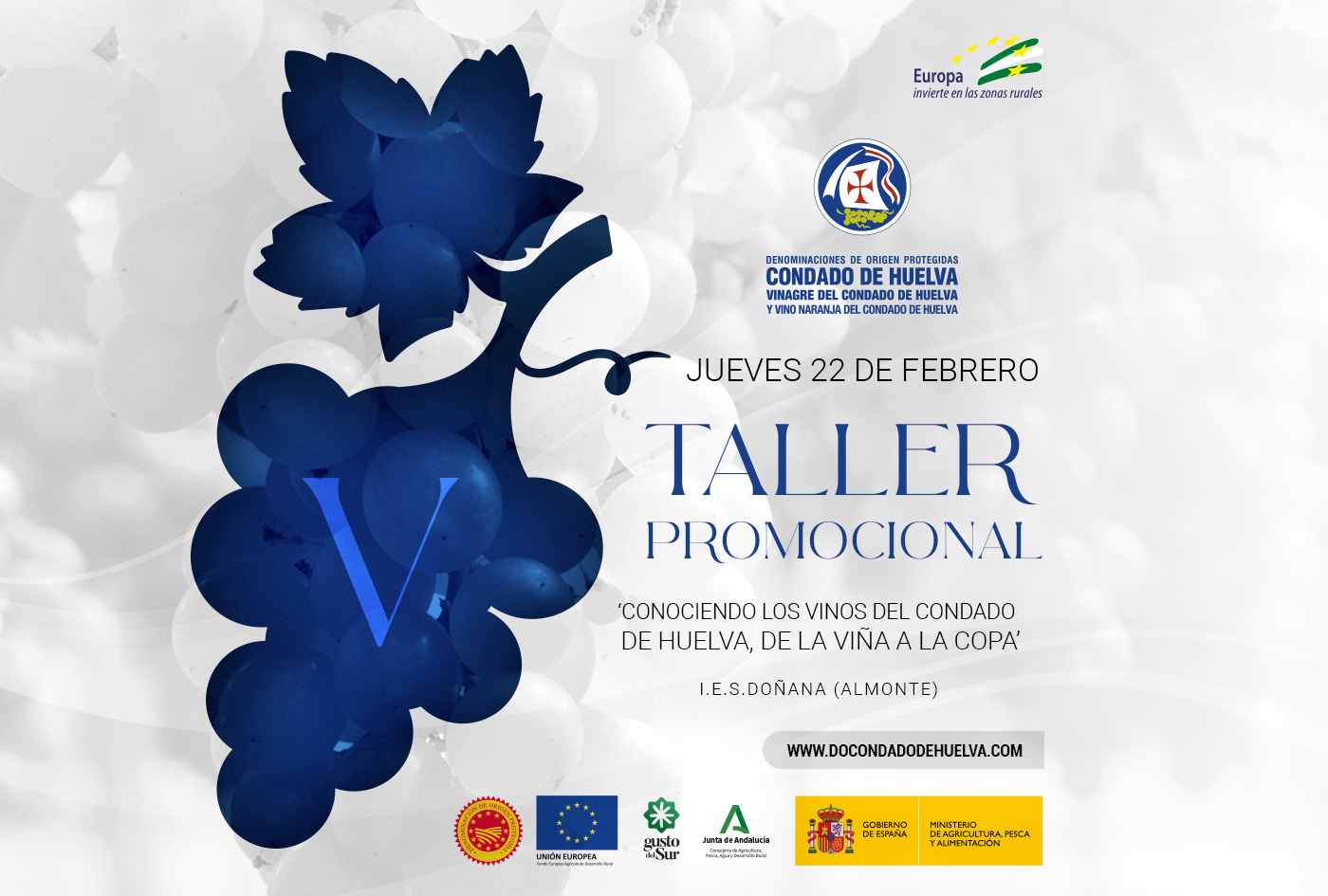
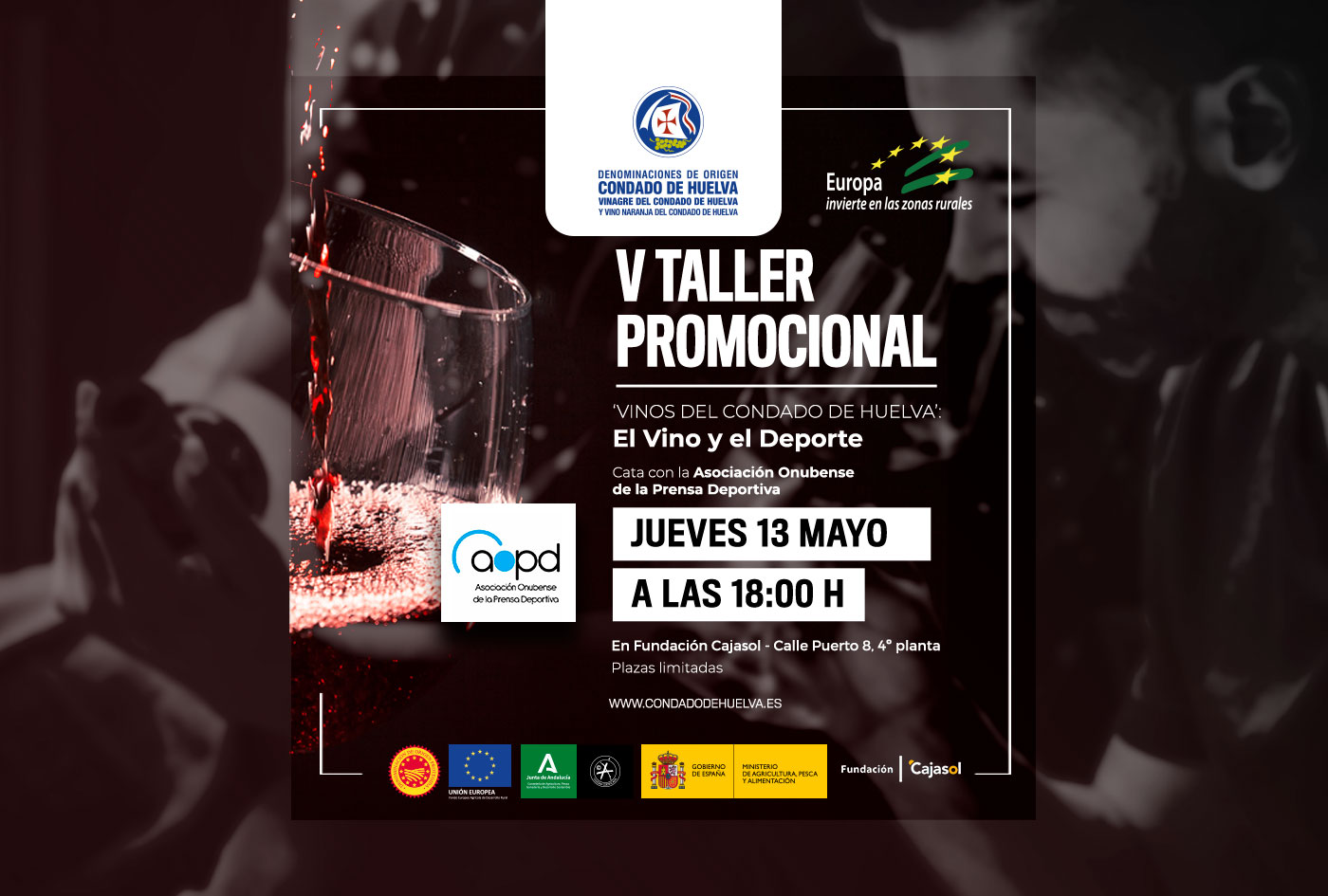
V Taller Promocional ‘CONOCIENDO LOS VINOS DEL CONDADO DE HUELVA, DE LA VIÑA A LA COPA’
En este taller, de duración aproximada de dos horas, se combina un parte teórica en la que se describe nuestra Denominación de Origen, desde sus comienzos hasta la actualidad, r
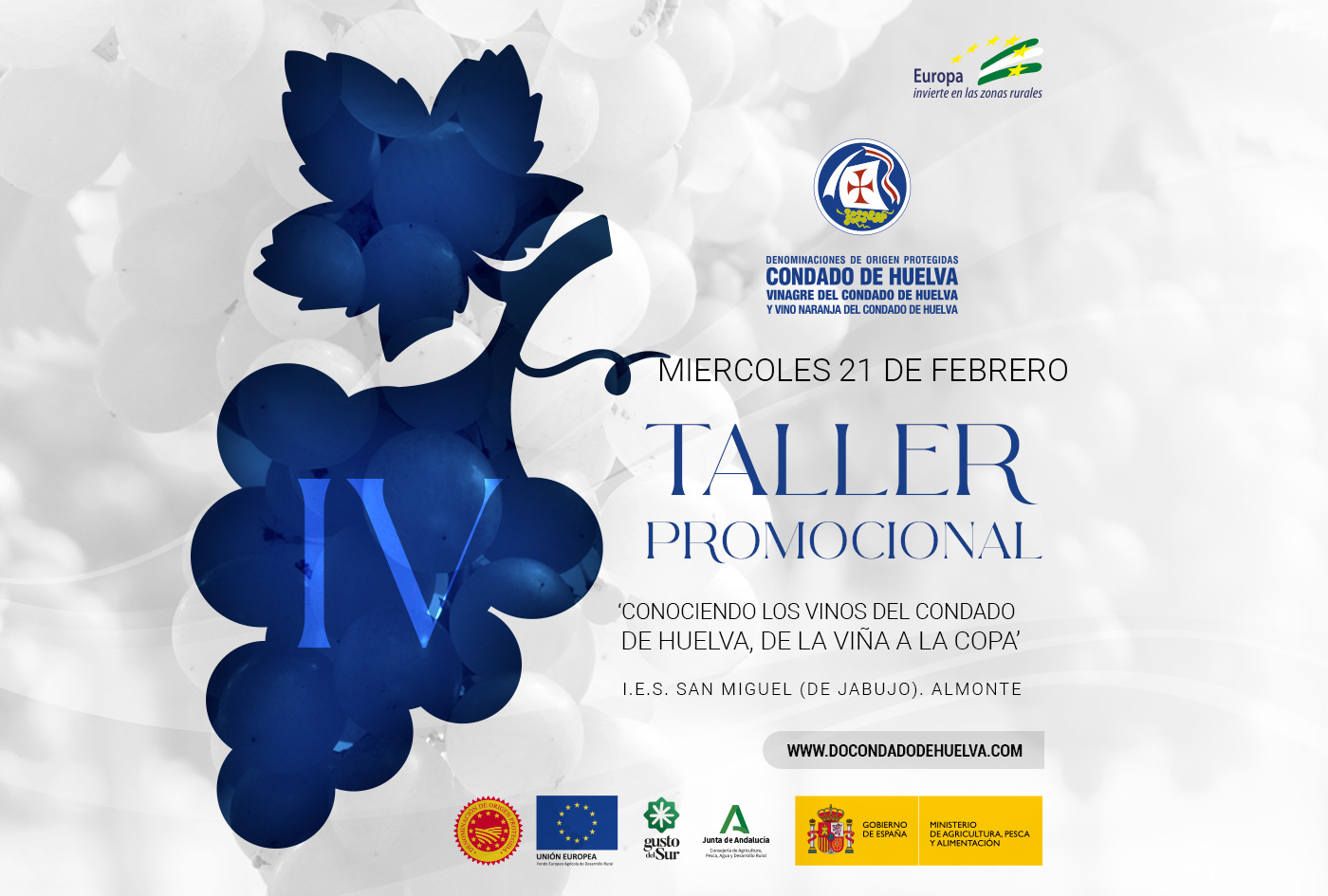
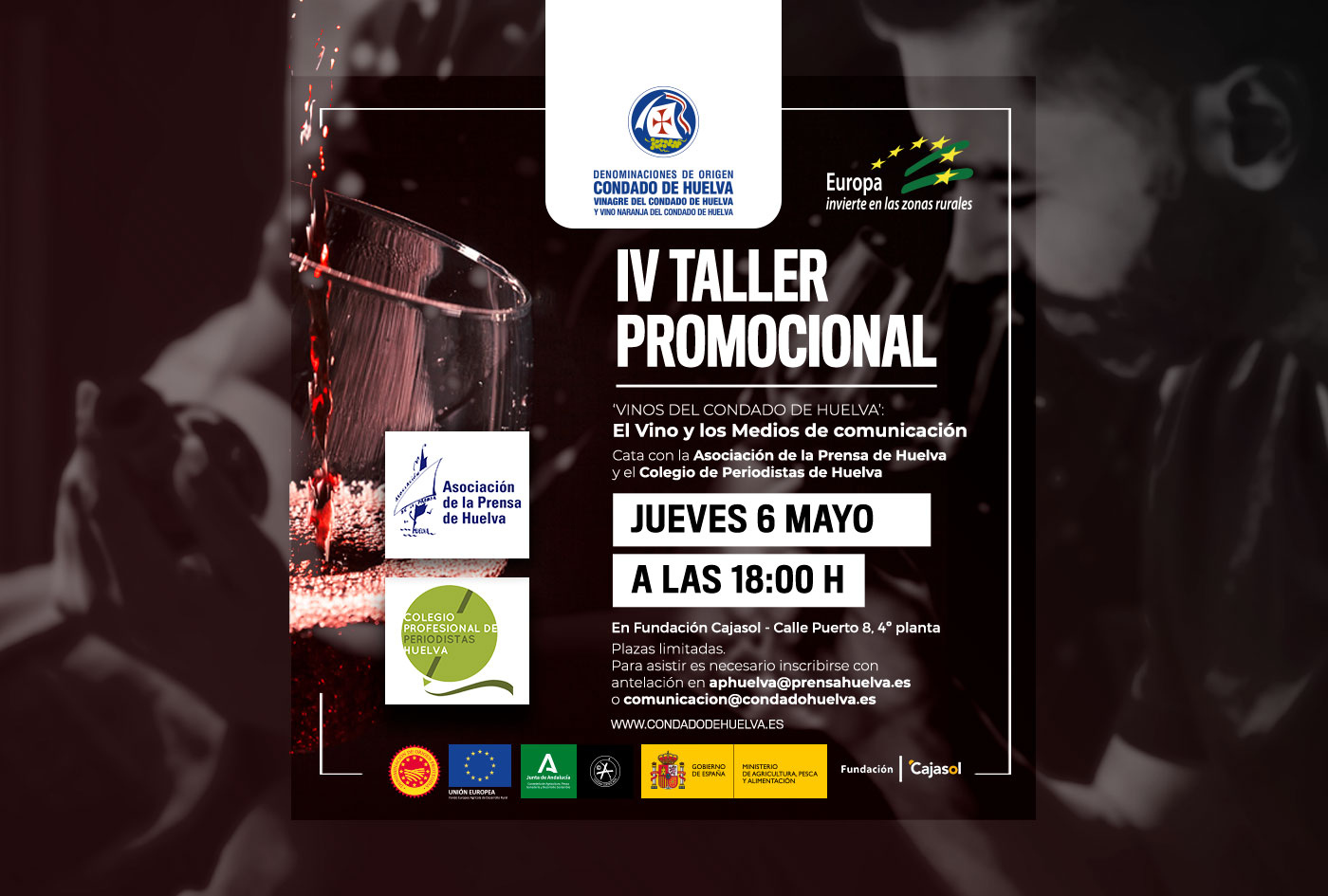
IV Taller Promocional ‘CONOCIENDO LOS VINOS DEL CONDADO DE HUELVA, DE LA VIÑA A LA COPA’
En este taller, de duración aproximada de dos horas, se combina un parte teórica en la que se describe nuestra Denominación de Origen, desde sus comienzos hasta la actualidad, r

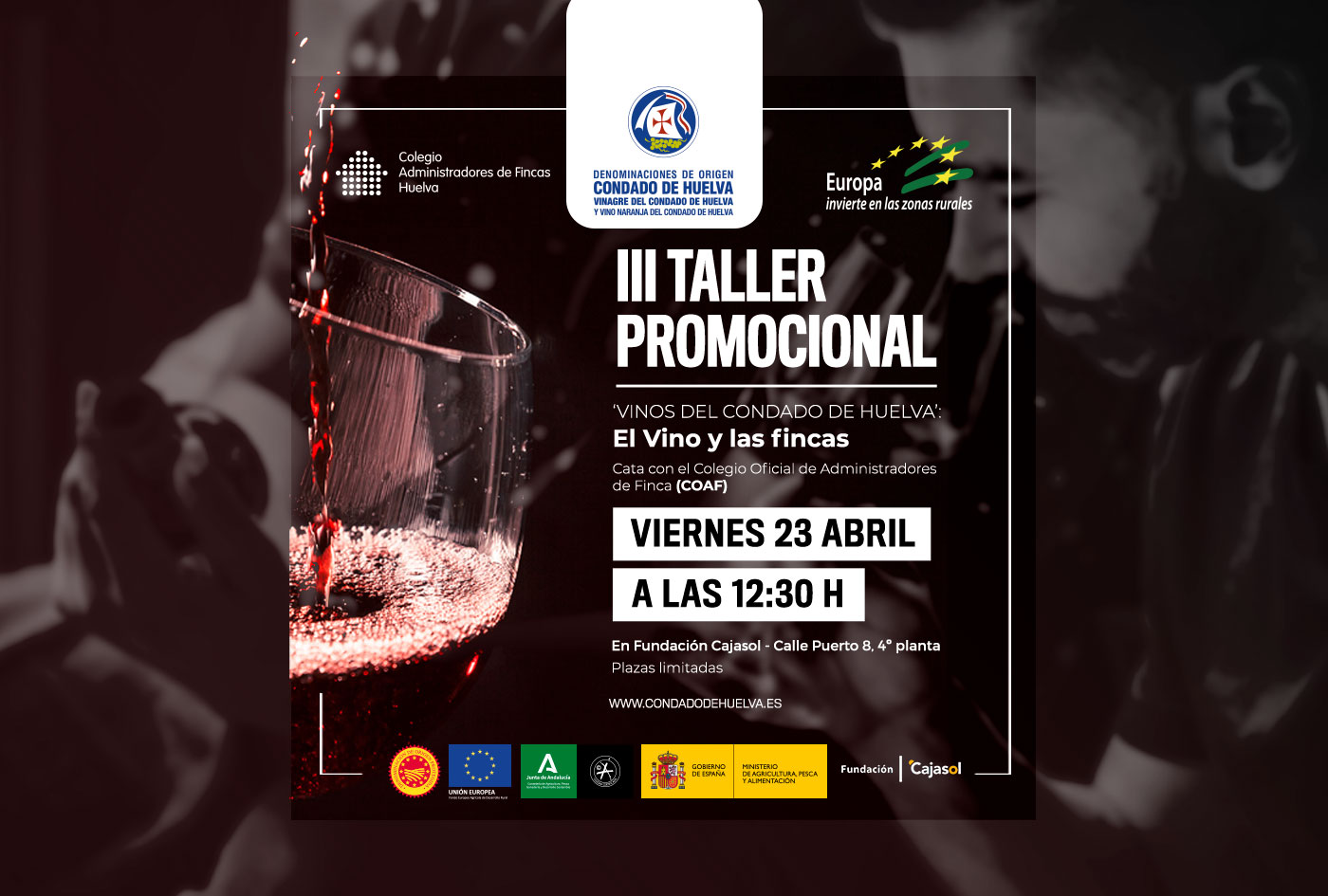
III Taller Promocional ‘CONOCIENDO LOS VINOS DEL CONDADO DE HUELVA, DE LA VIÑA A LA COPA’
En este taller, de duración aproximada de dos horas, se combina un parte teórica en la que se describe nuestra Denominación de Origen, desde sus comienzos hasta la actualidad, r
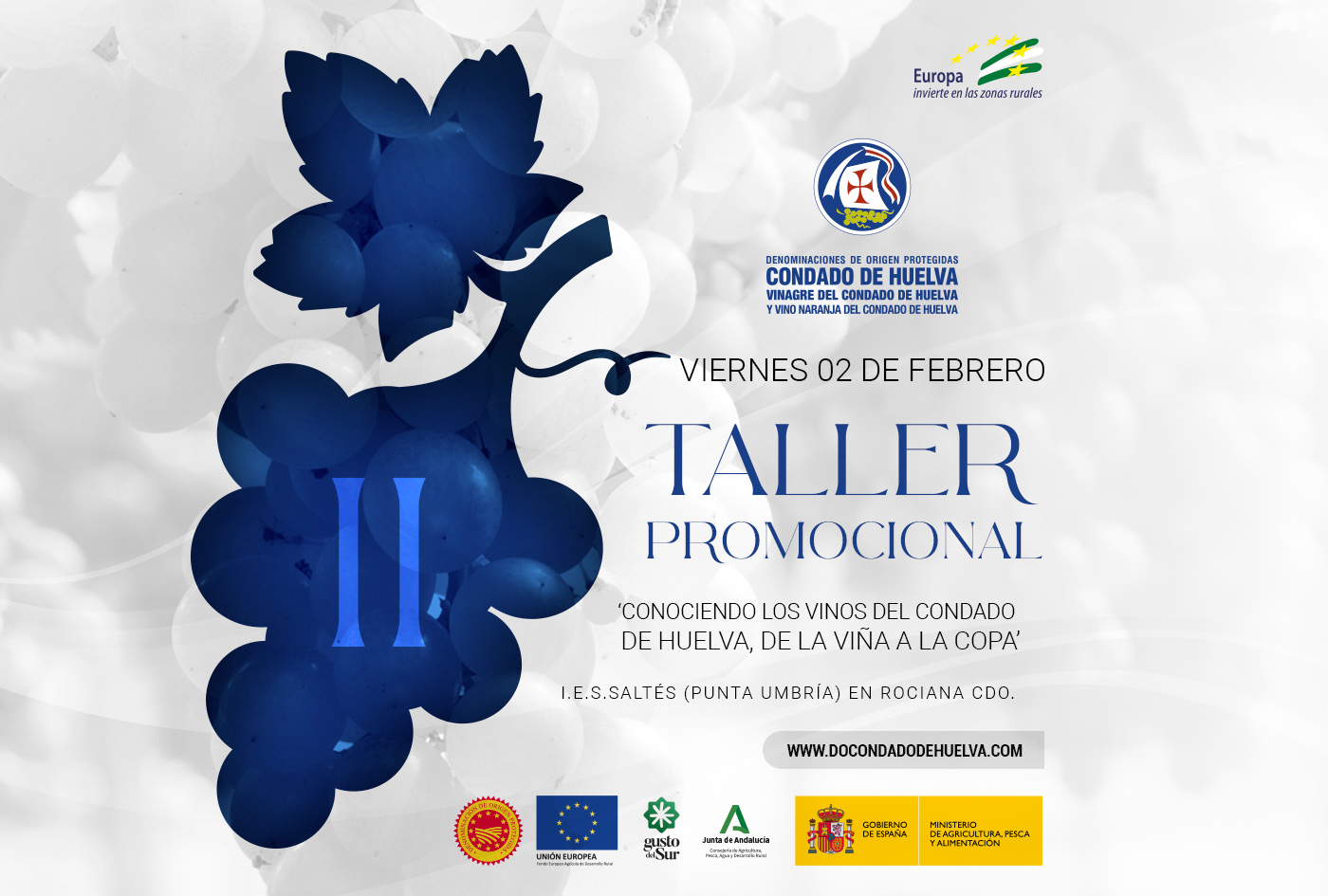
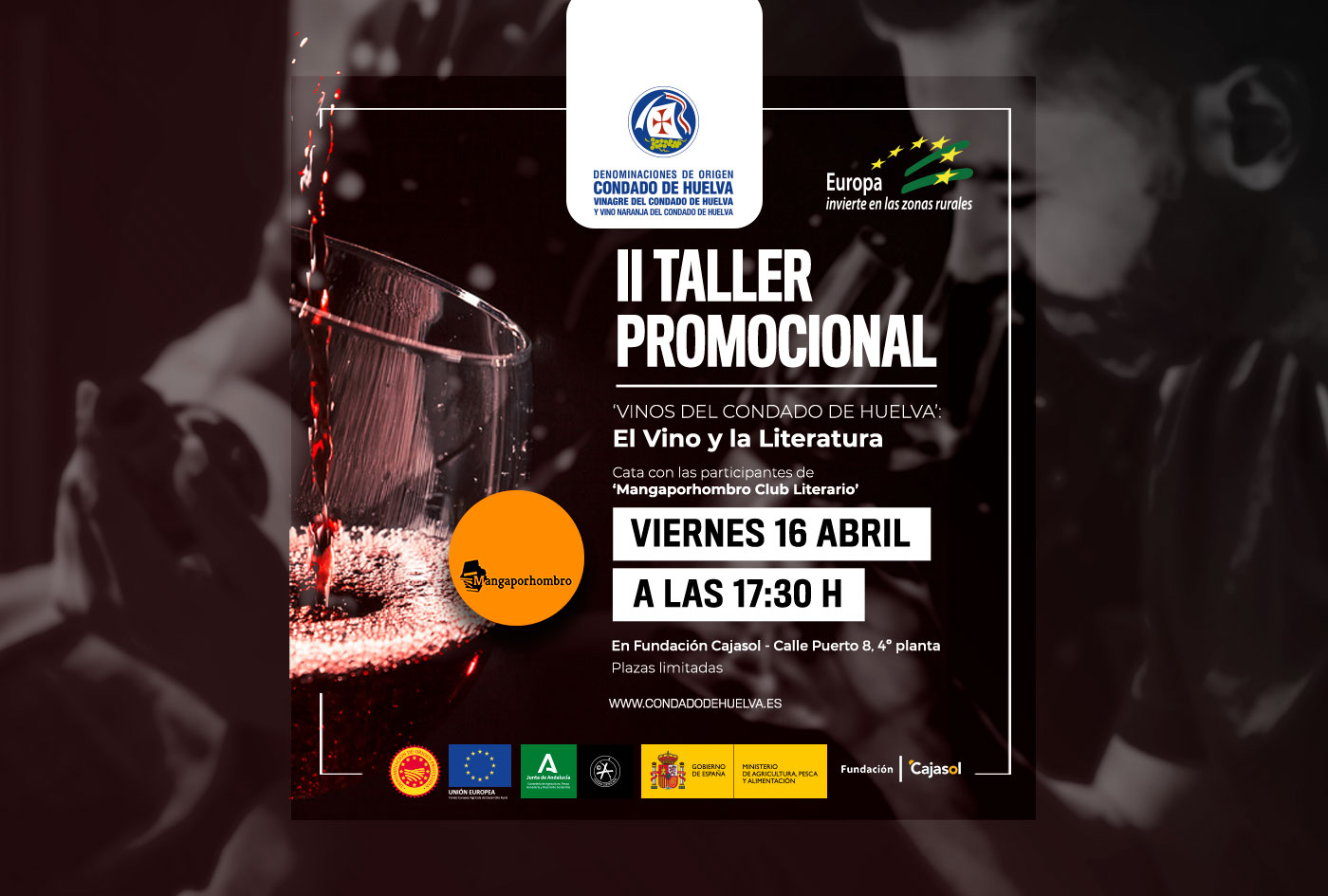
II Taller Promocional ‘CONOCIENDO LOS VINOS DEL CONDADO DE HUELVA, DE LA VIÑA A LA COPA’
En este taller, de duración aproximada de dos horas, se combina un parte teórica en la que se describe nuestra Denominación de Origen, desde sus comienzos hasta la actualidad, r
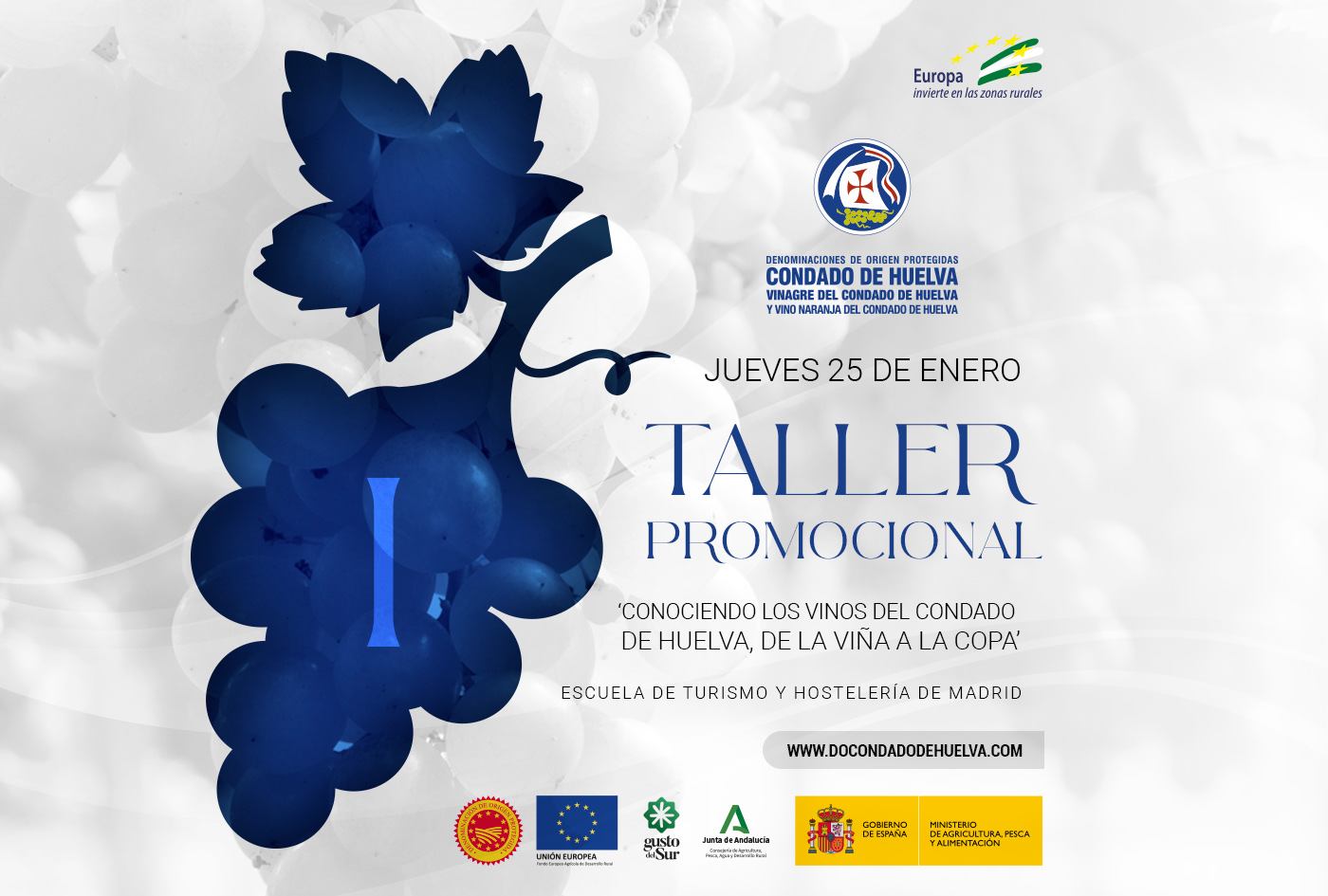
Taller Promocional ‘CONOCIENDO LOS VINOS DEL CONDADO DE HUELVA, DE LA VIÑA A LA COPA’
En este taller, de duración aproximada de dos horas, se combina un parte teórica en la que se describe nuestra Denominación de Origen, desde sus comienzos hasta la actualidad, r
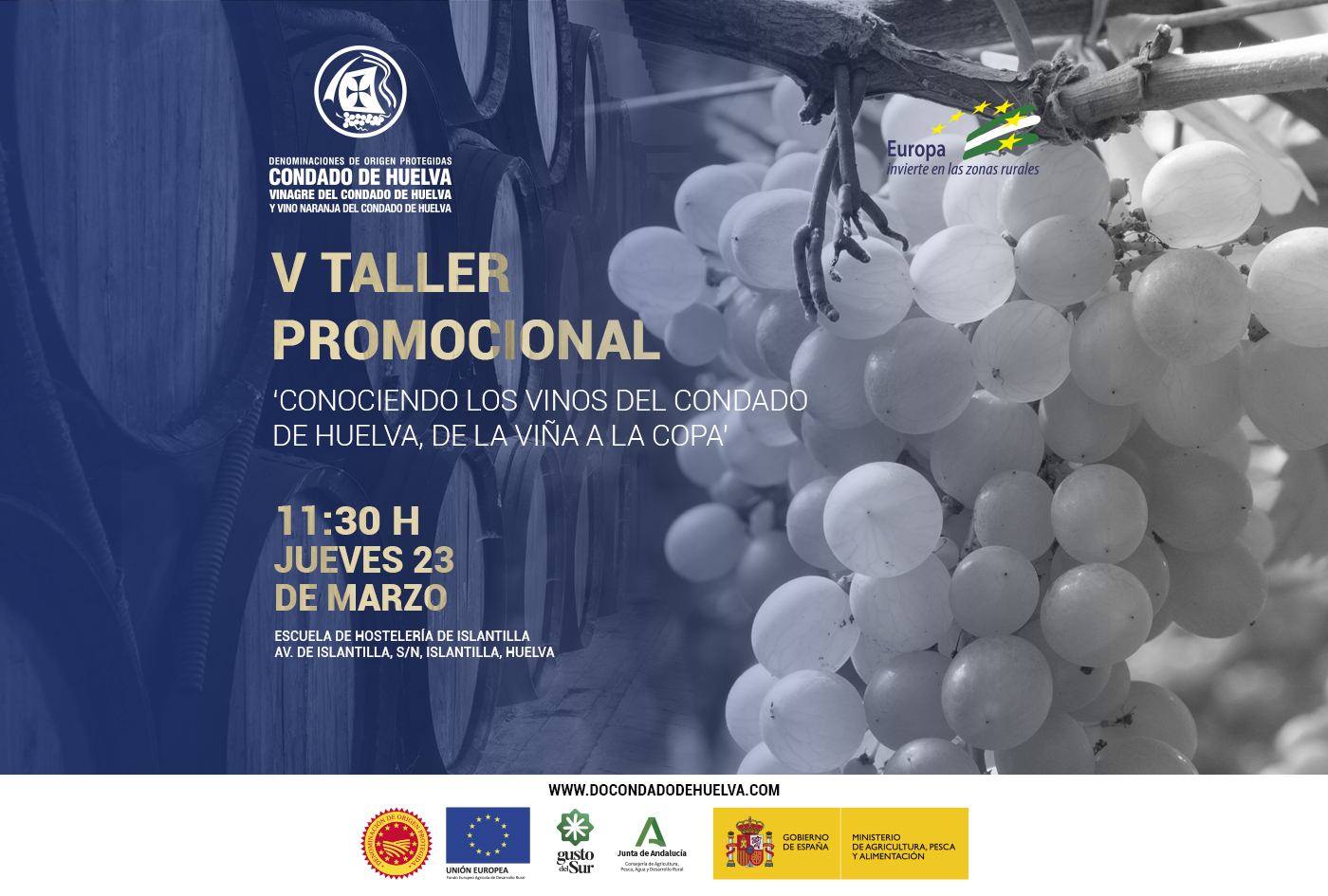
V Taller Promocional ‘CONOCIENDO LOS VINOS DEL CONDADO DE HUELVA, DE LA VIÑA A LA COPA’
En este taller, de duración aproximada de dos horas, se combina un parte teórica en la que se describe nuestra Denominación de Origen, desde sus comienzos hasta la actualidad, r
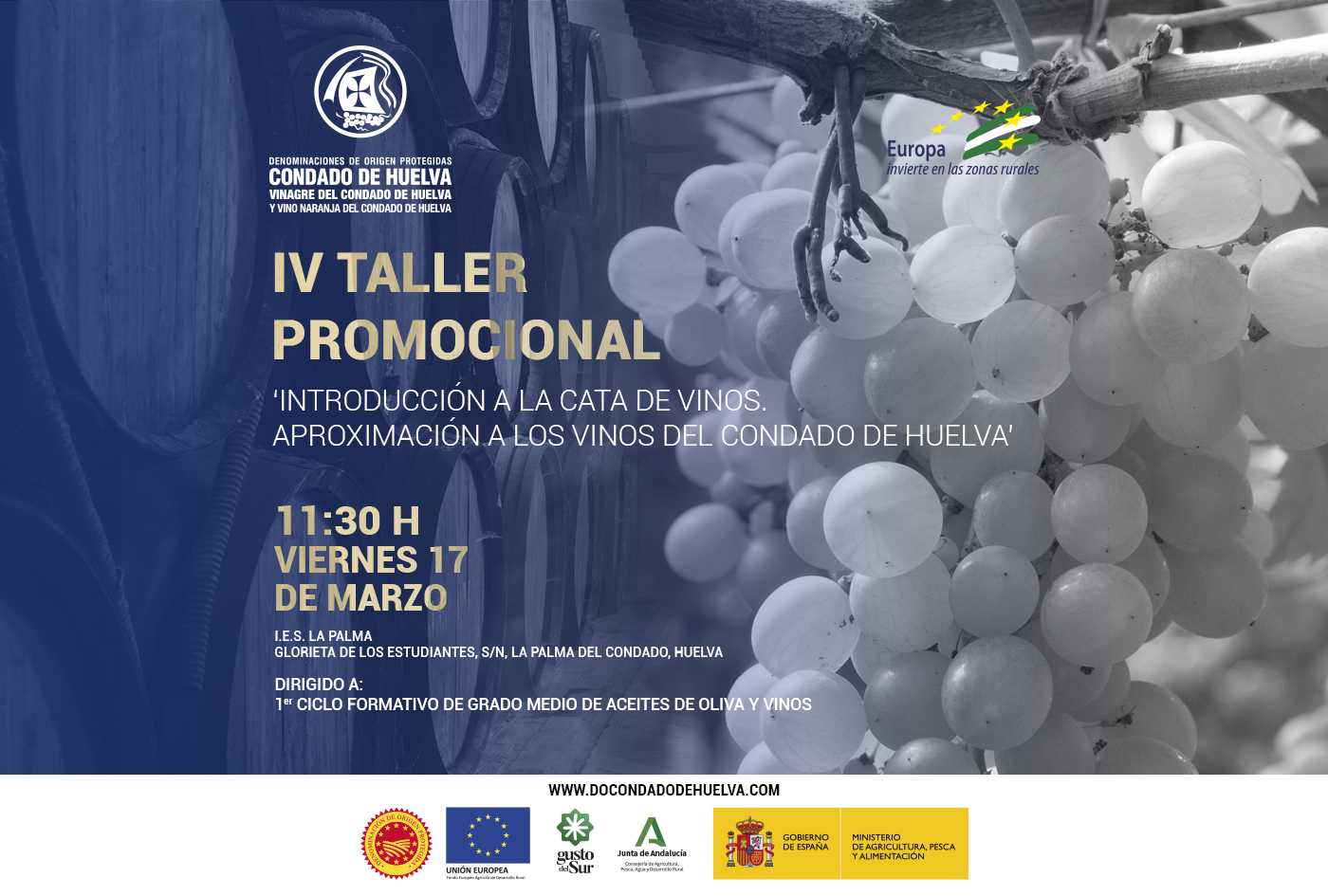
IV Taller Promocional ‘INTRODUCCIÓN A LA CATA DE VINOS. APROXIMACIÓN A LOS VINOS DEL CONDADO DE HUELVA’
En este taller, de duración aproximada de dos horas, se combina un parte teórica en la que se describe nuestra Denominación de Origen, desde sus comienzos hasta la actualidad, r
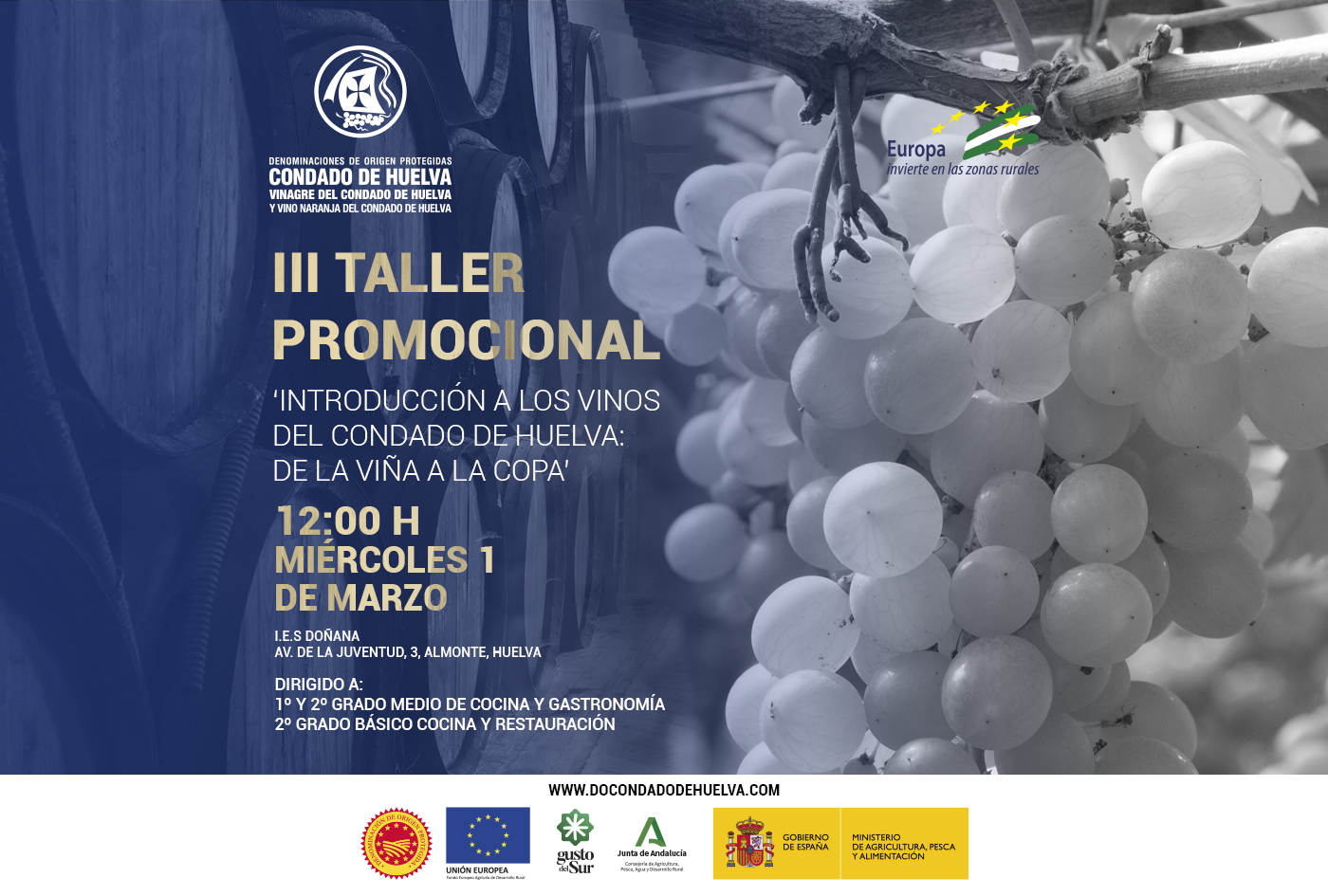
III Taller Promocional ‘INTRODUCCIÓN A LOS VINOS DEL CONDADO DE HUELVA: DE LA VIÑA A LA COPA’
En este taller, de duración aproximada de dos horas, se combina un parte teórica en la que se describe nuestra Denominación de Origen, desde sus comienzos hasta la actualidad, r
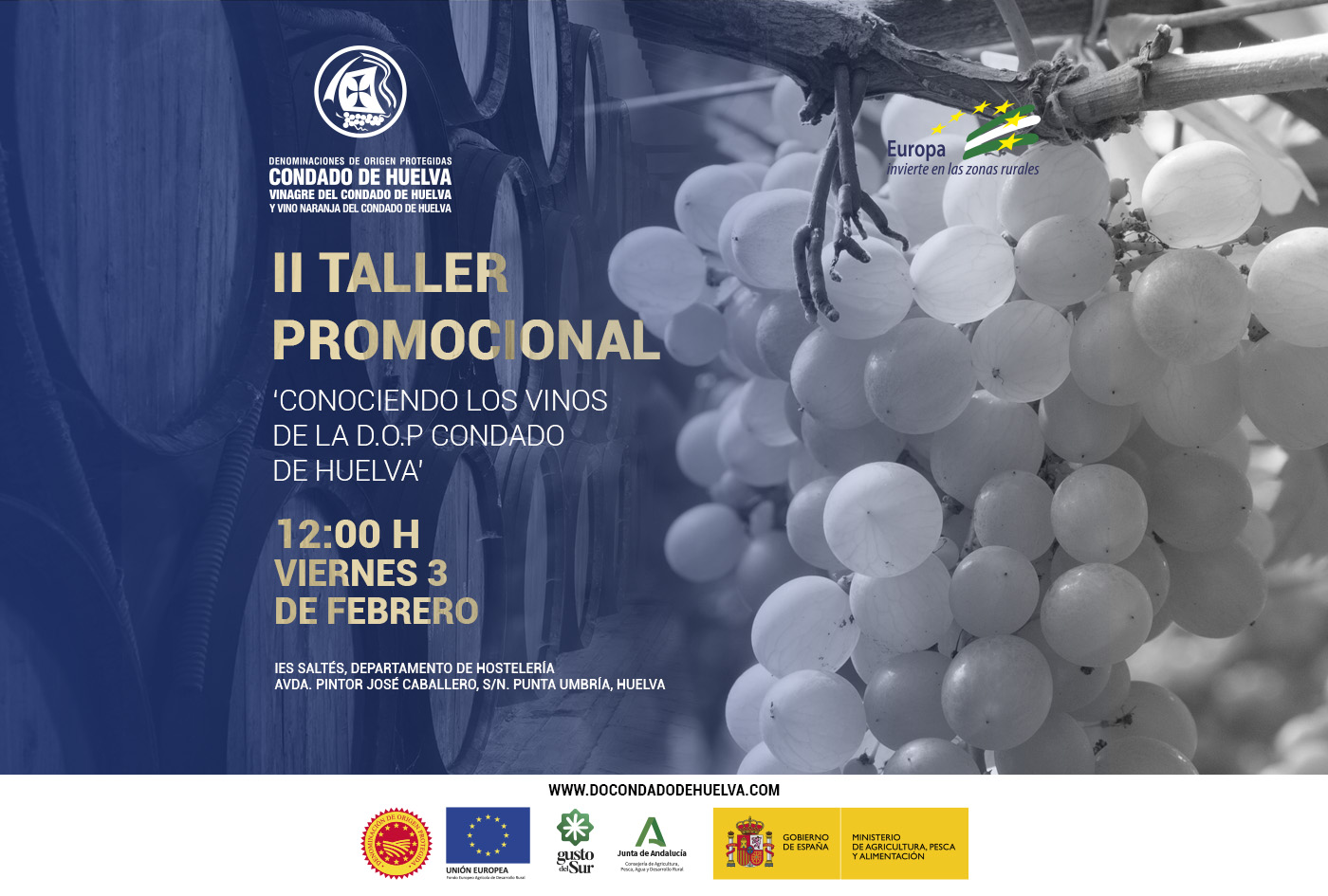
II Taller Promocional ‘CONOCIENDO LOS VINOS DE LA DOP CONDADO DE HUELVA’
En este taller, de duración aproximada de dos horas, se combina un parte teórica en la que se describe nuestra Denominación de Origen, desde sus comienzos hasta la actualidad, r
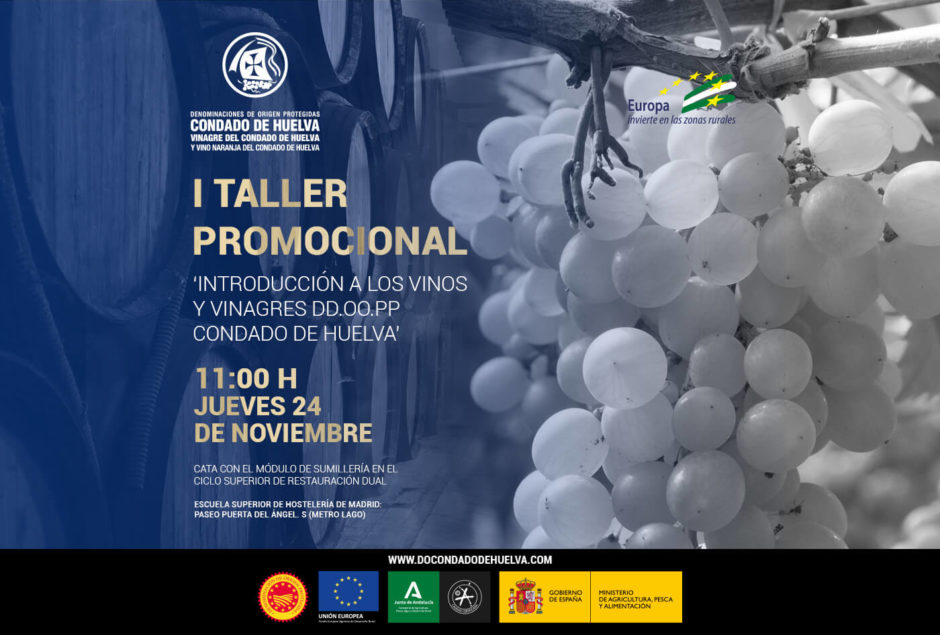
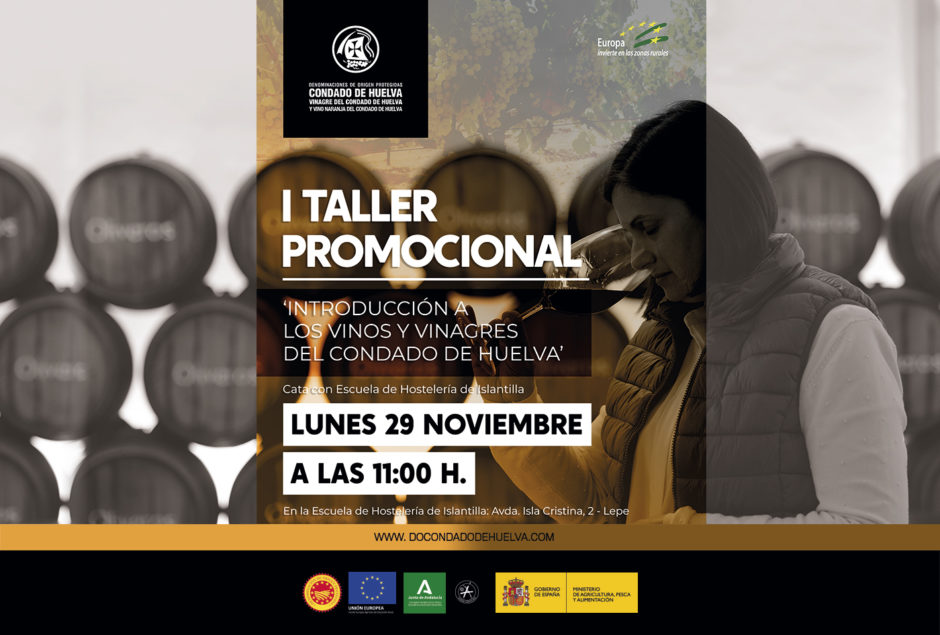
I Taller Promocional ‘INTRODUCCIÓN A LOS VINOS Y VINAGRES D.O.P. CONDADO DE HUELVA’
En este taller, de duración aproximada de dos horas, se combina un parte teórica en la que se describe nuestra Denominación de Origen, desde sus comienzos hasta la actual
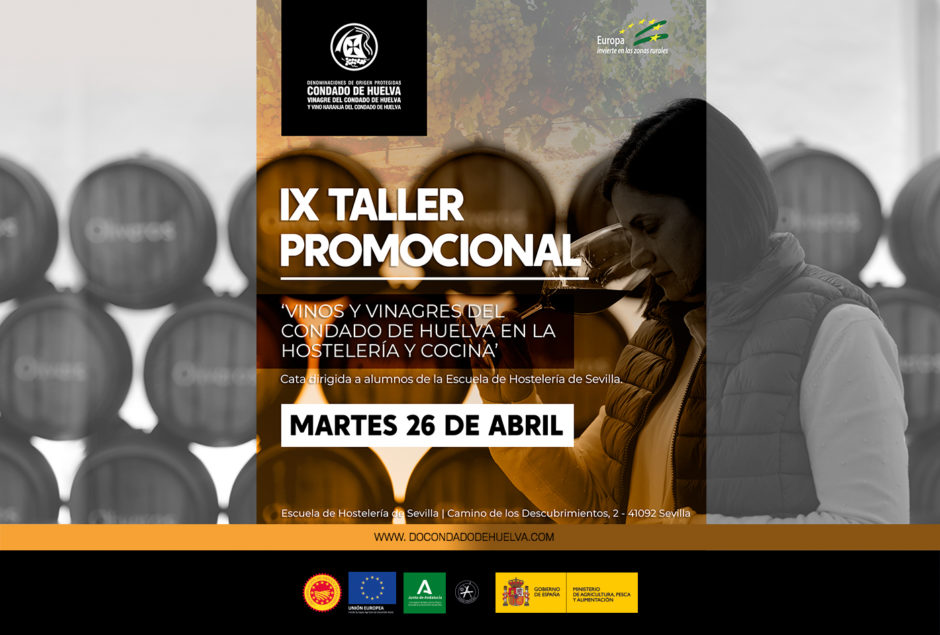
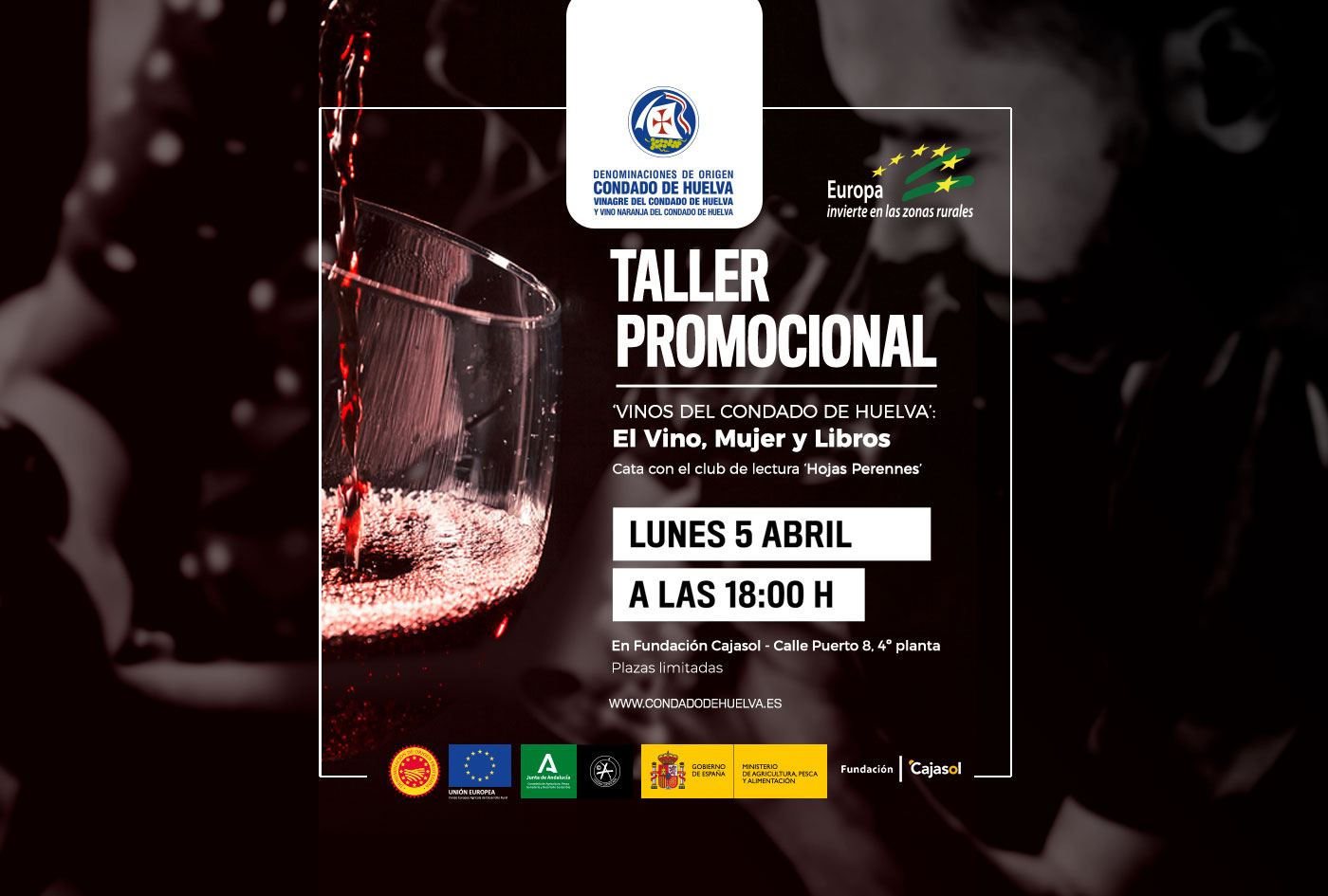
IX TALLER PROMOCIONAL: VINOS Y VINAGRES DEL CONDADO DE HUELVA EN LA HOSTELERIA Y COCINA
En este taller, de duración aproximada de una hora y media, se combina un parte teórica en la que se describe nuestra Denominación de Origen, desde sus comi
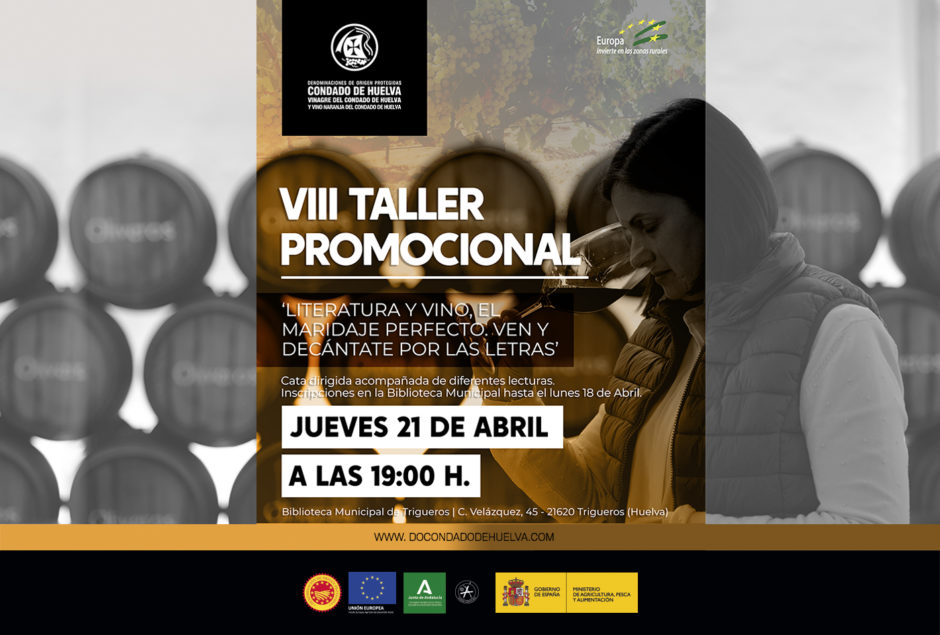
VIII Taller promocional: Literatura y vino, el maridaje perfecto.
En este taller, de duración aproximada de una hora y media, se combina un parte teórica en la que se describe nuestra Denominación de Origen, desde sus comi
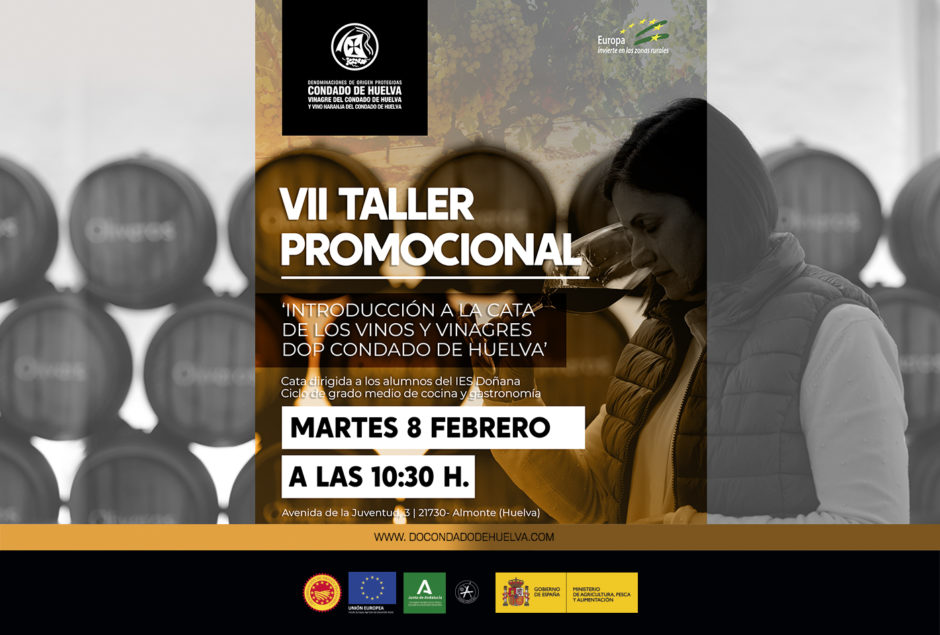
VII Taller promocional: Introducción a la cata de los vinos y vinagres del Condado de Huelva
En este taller, de duración aproximada de una hora y media, se combina un parte teórica en la que se describe nuestra Denominación de Origen, desde sus comienzos hasta la actual
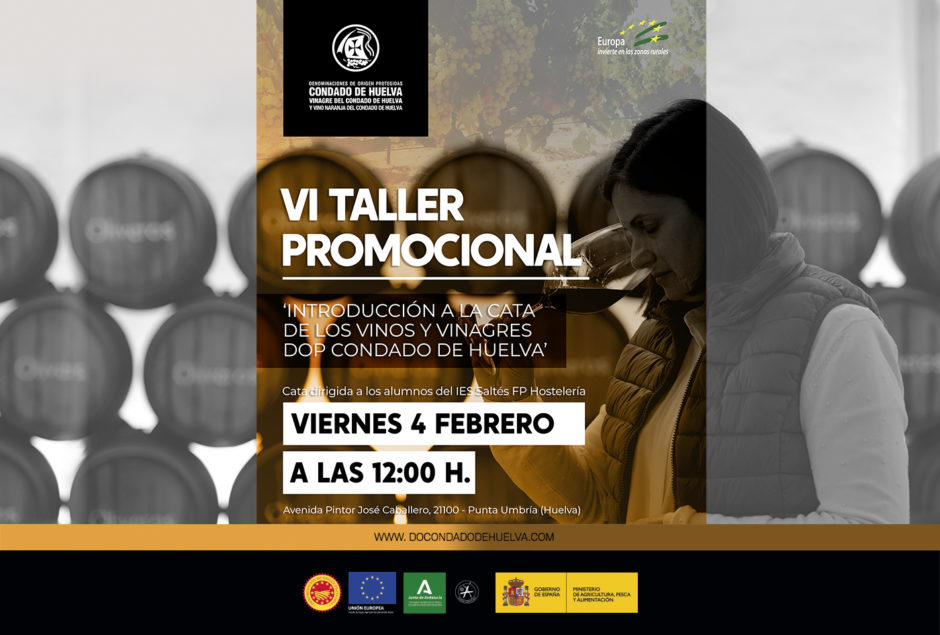
VI Taller promocional: Introducción a la cata de los vinos y vinagres del Condado de Huelva.
En este taller, de duración aproximada de una hora y media, se combina un parte teórica en la que se describe nuestra Denominación de Origen, desde s
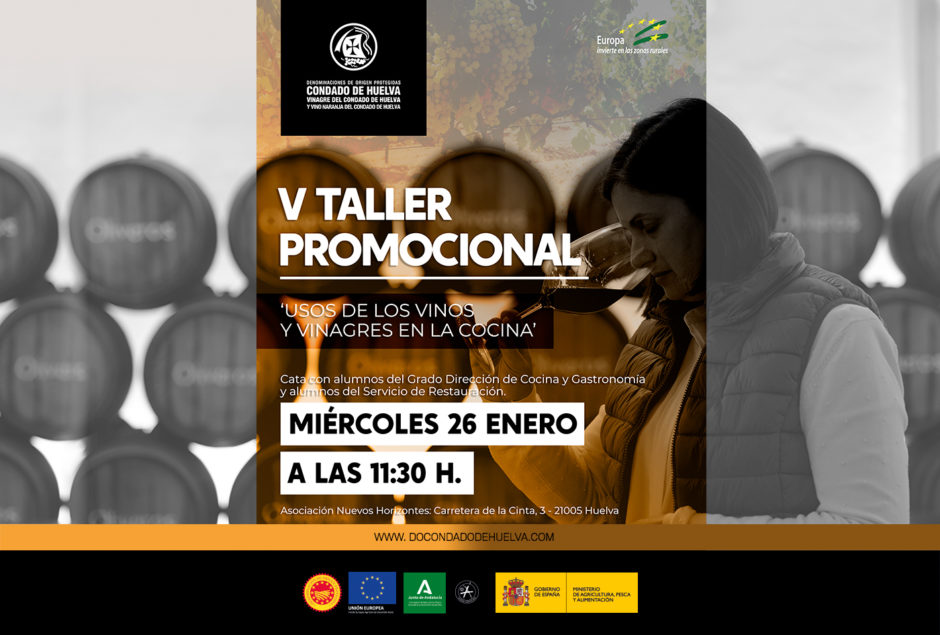
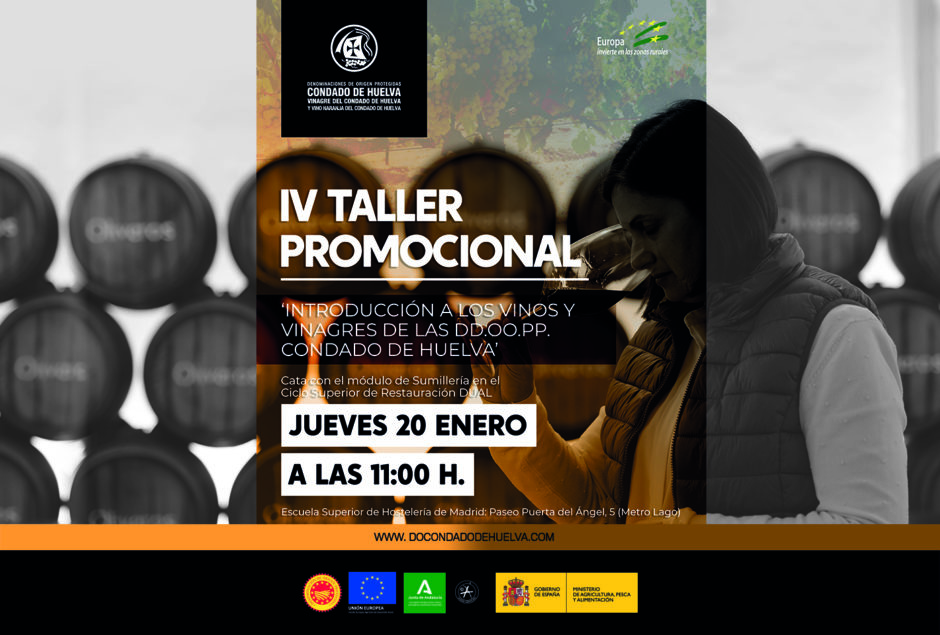
IV Taller promocional: Introducción a la cata de los vinos y vinagres de las DD.OO.PP. Condado de Huelva
En este taller, de duración aproximada de una hora y media, se combina un parte teórica en la que se describe nuestra Denominación de Origen, desde sus comi
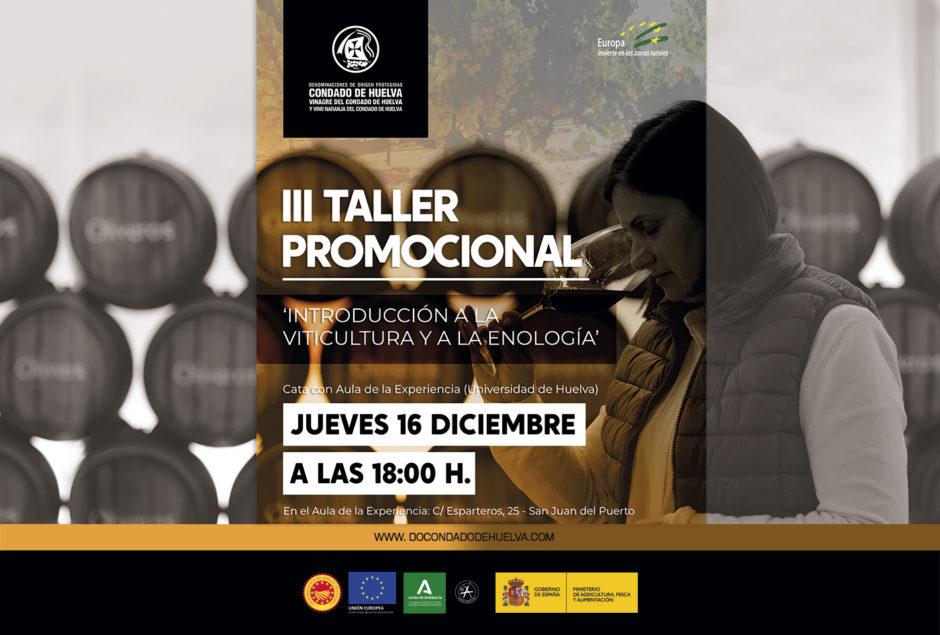
III Taller promocional: Introducción a la viticultura y a la enología. Segunda Parte.
En este taller, de duración aproximada de una hora y media, se combina un parte teórica en la que se describe nuestra Denominación de Origen, desde sus comi
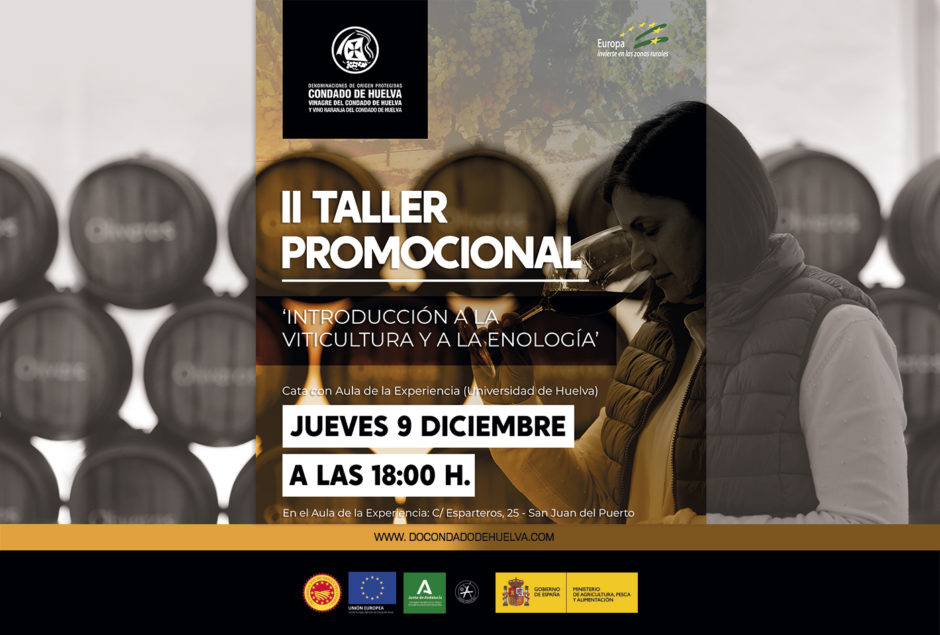
II Taller promocional: Introducción a la viticultura y a la enología.
En este taller, de duración aproximada de una hora y media, se combina un parte teórica en la que se describe nuestra Denominación de Origen, desde s
Nuestra Historia
El origen de una herencia con prestigio
El inicio fehaciente y documentado de la historia del cultivo de la vid por esta comarca onubense denominada Condado hay que fecharlo en el siglo XIV, si bien existen legendarias referencias de los intercambios llevados a cabo entre los Tartessos y los griegos, de partidas enviadas a Roma y de la tolerancia de los musulmanes con el cultivo y elaboración del vino.
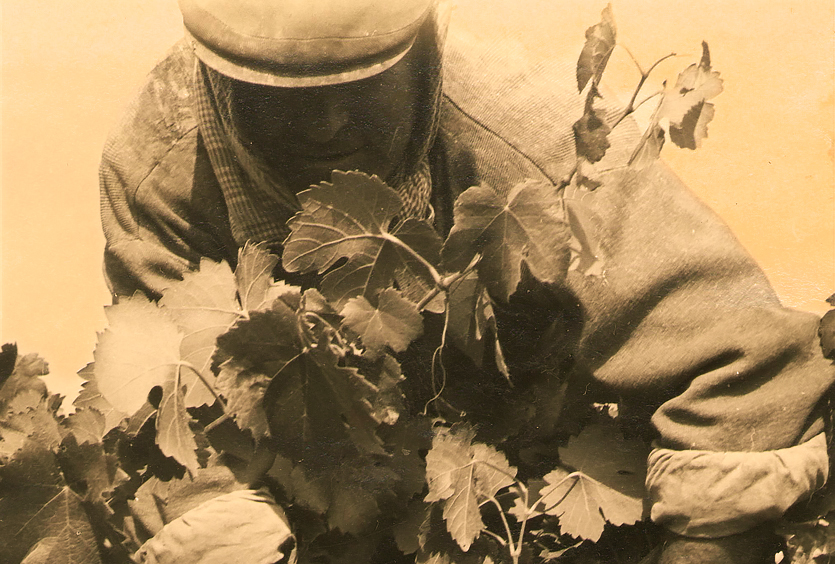
1932
Los orígenes de la vendimia



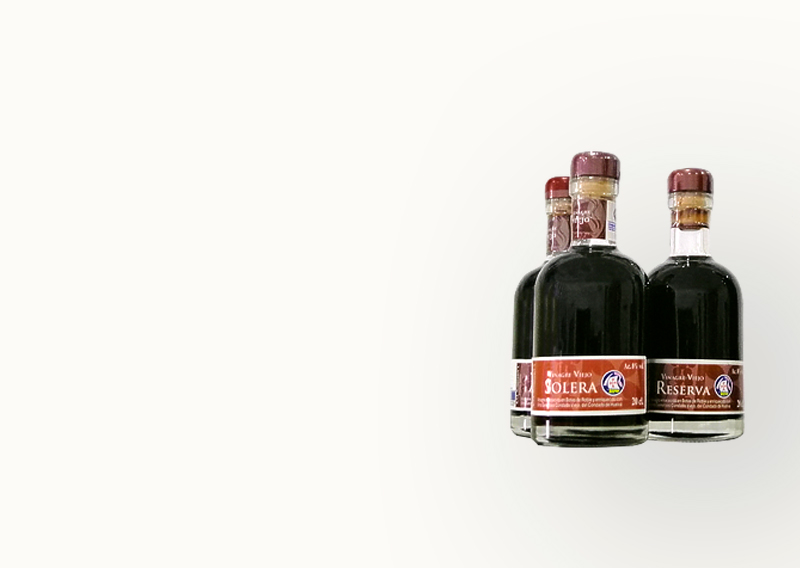

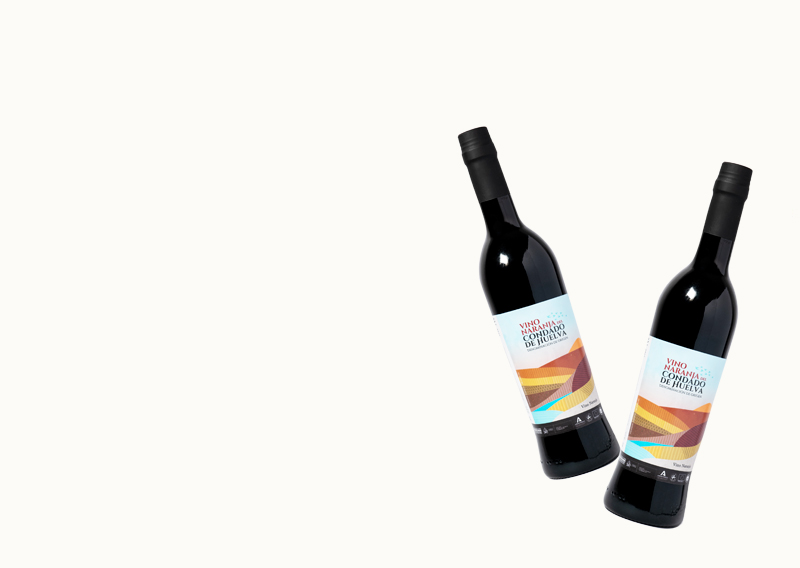
Aroma Natural
Nuestros sabores


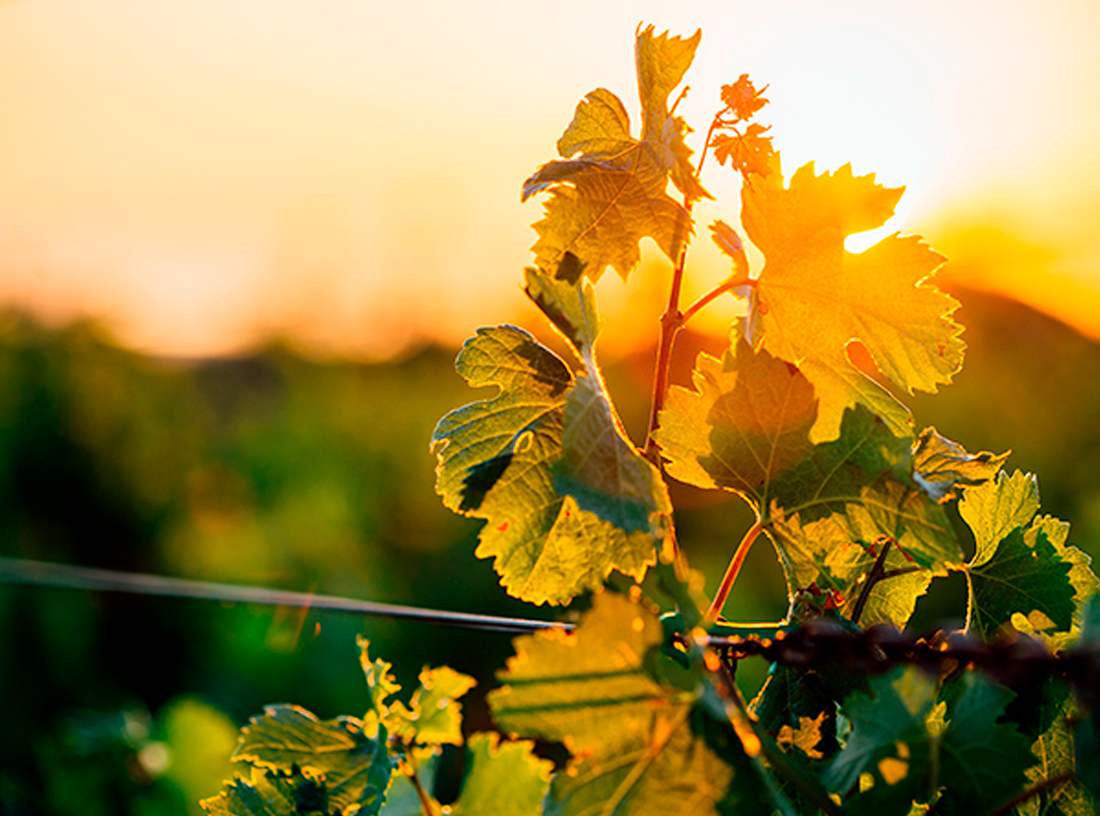
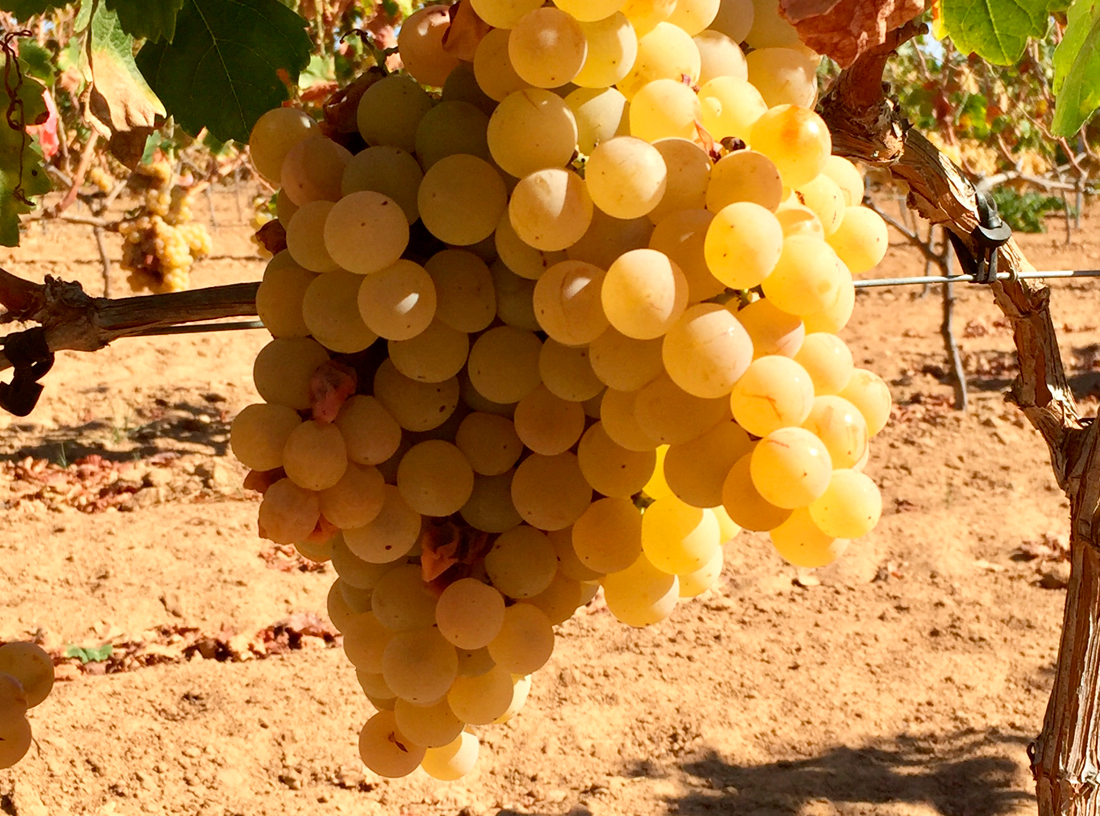
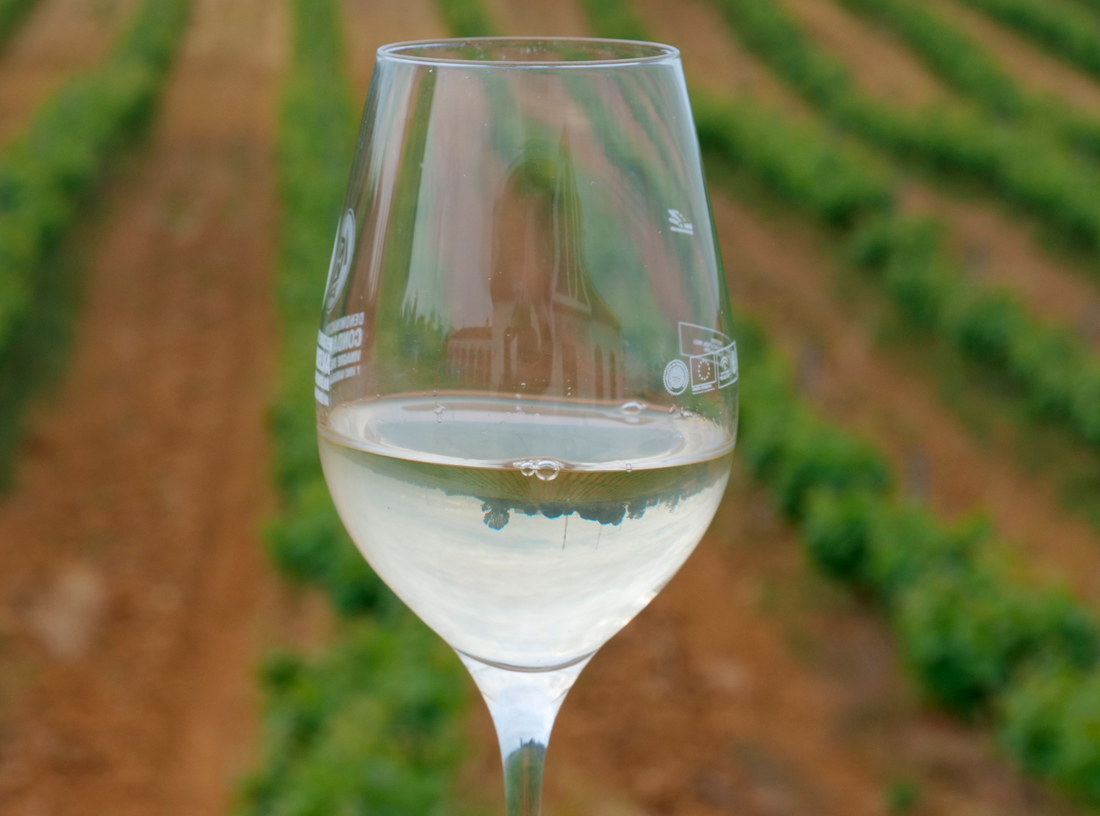
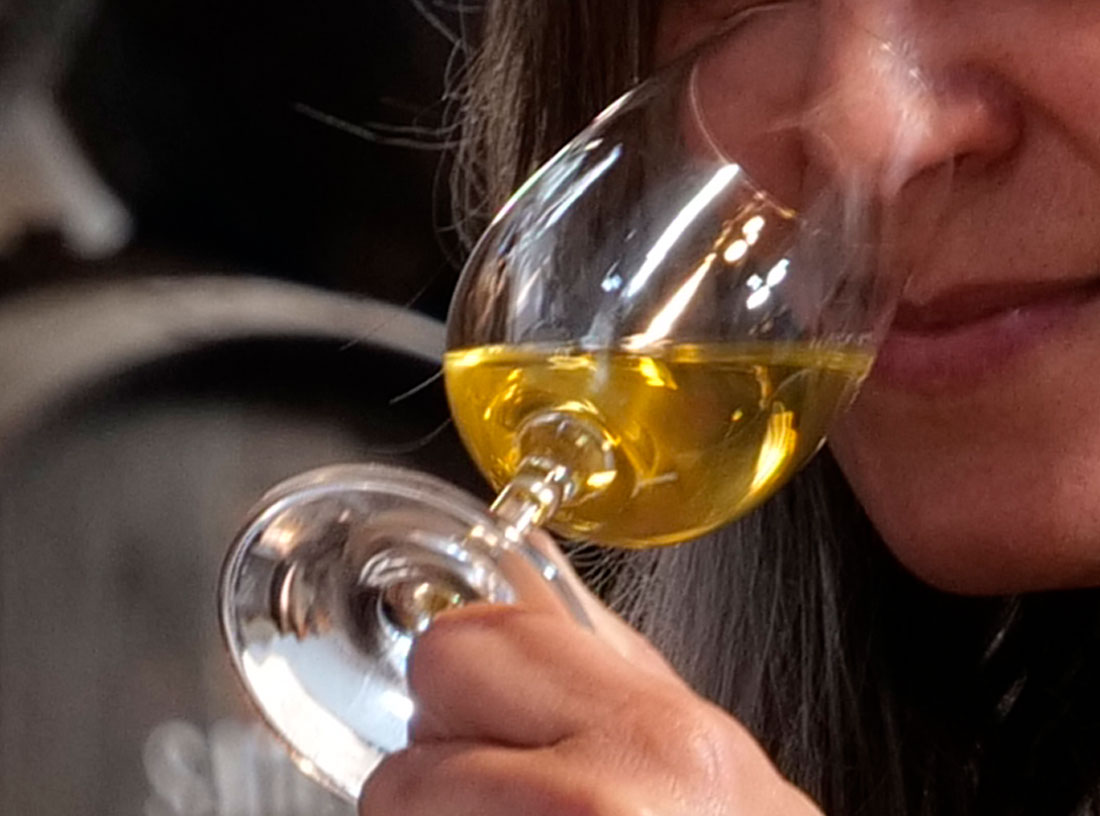
Garantía de un producto excelente

Plantaciones
Plantaciones en forma de cepas bajas y formas alambradas.

Suelo
Suelos neutros o ligeramente básicos, francos y de fertilidad media.

Clima
Goza de unas condiciones ideales para el cultivo de la vid

Variedades
La variedad de vides cultivadas en esta comarca es de máxima calidad
Viñedos
Amparados por la D.O.P.
El viñedo de la zona amparada por las D.O.P. se extiende sobre terrenos llanos o ligeramente ondulados. En general, son suelos neutros o ligeramente básicos, francos y de fertilidad media, con zonas de insuperable calidad para el cultivo de la vid.
Crianza y producción
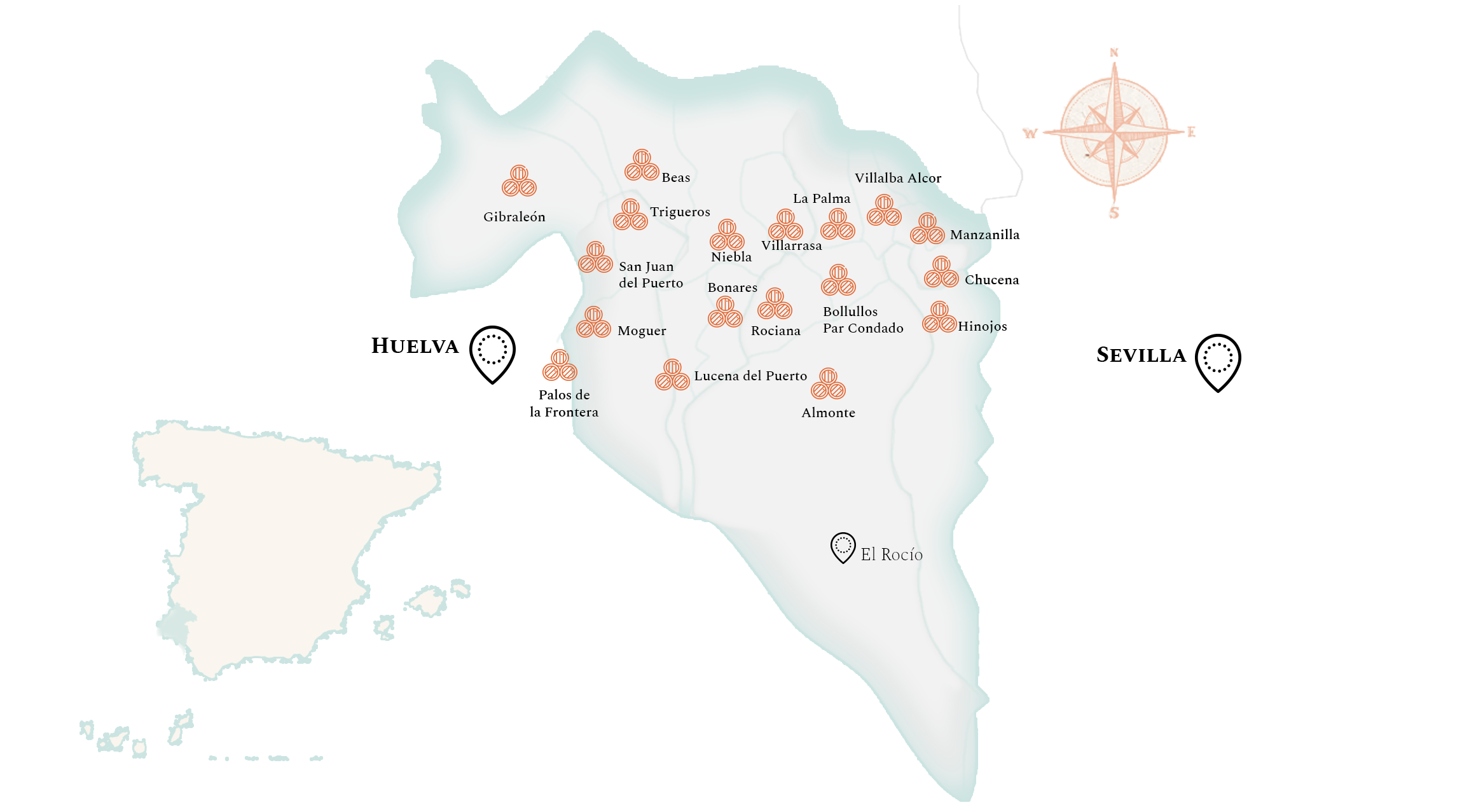
DOP Condado de Huelva
 Bodegas de crianza y exportación
Recetas con Denominación de Origen
Elaboradas con vinos y vinagres con Denominación de Origen

Mantente informado
Últimas noticias

LAS DENOMINACIONES DE ORIGEN DE VINO MUESTRAN APOYO AL SECTOR AGRARIO
La Conferencia Española de Consejos Reguladores Vitivinícolas (CECRV), como organización representativa de las denomina
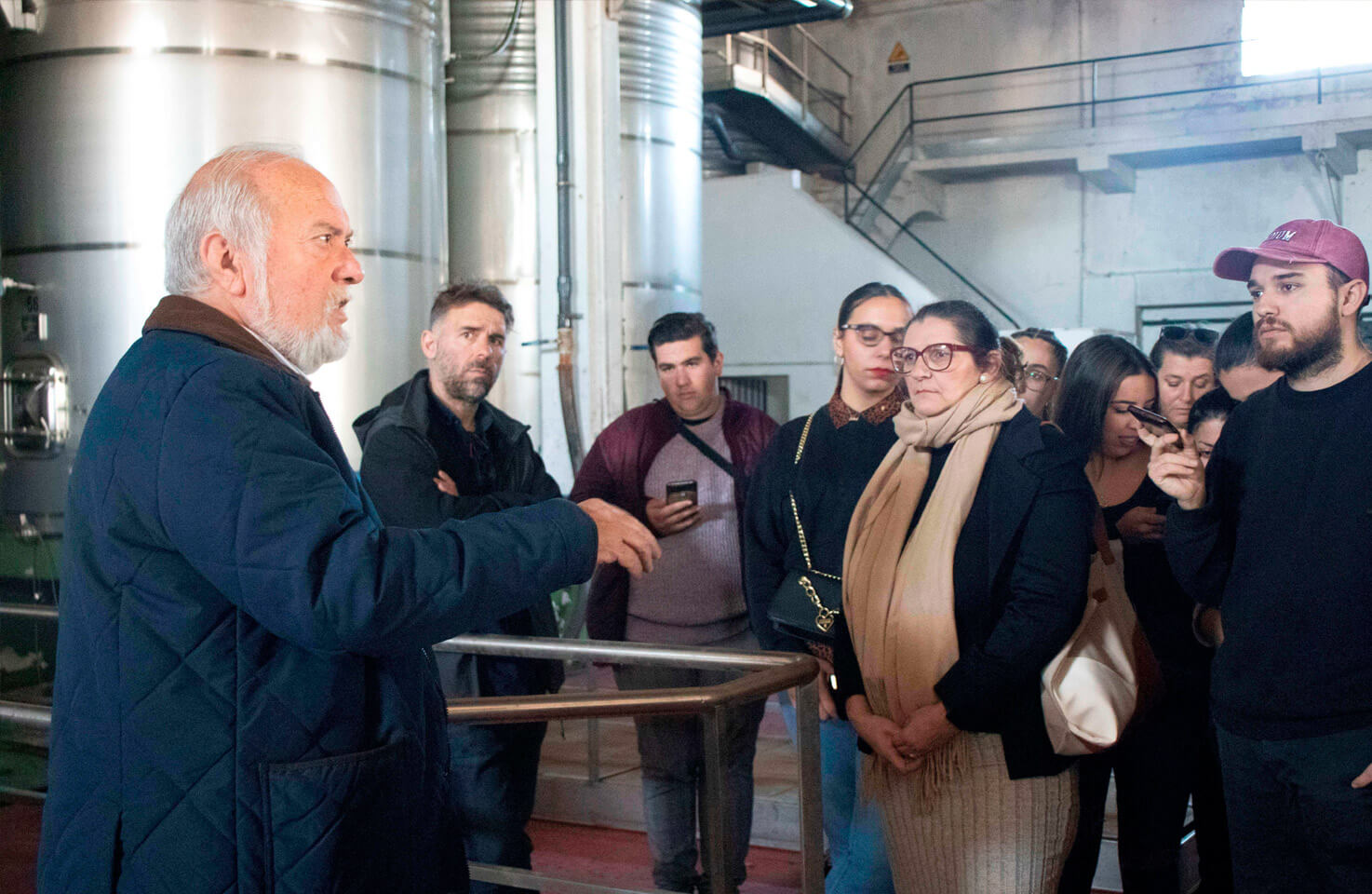
LOS VINOS Y VINAGRES CON DOP CONDADO DE HUELVA VUELVEN A LAS AULAS DE FORMACIÓN
El Consejo Regulador de las denominaciones de origen protegidas Condado de Huelva, Vinagre del Condado de Huelva y Vino Naranja d
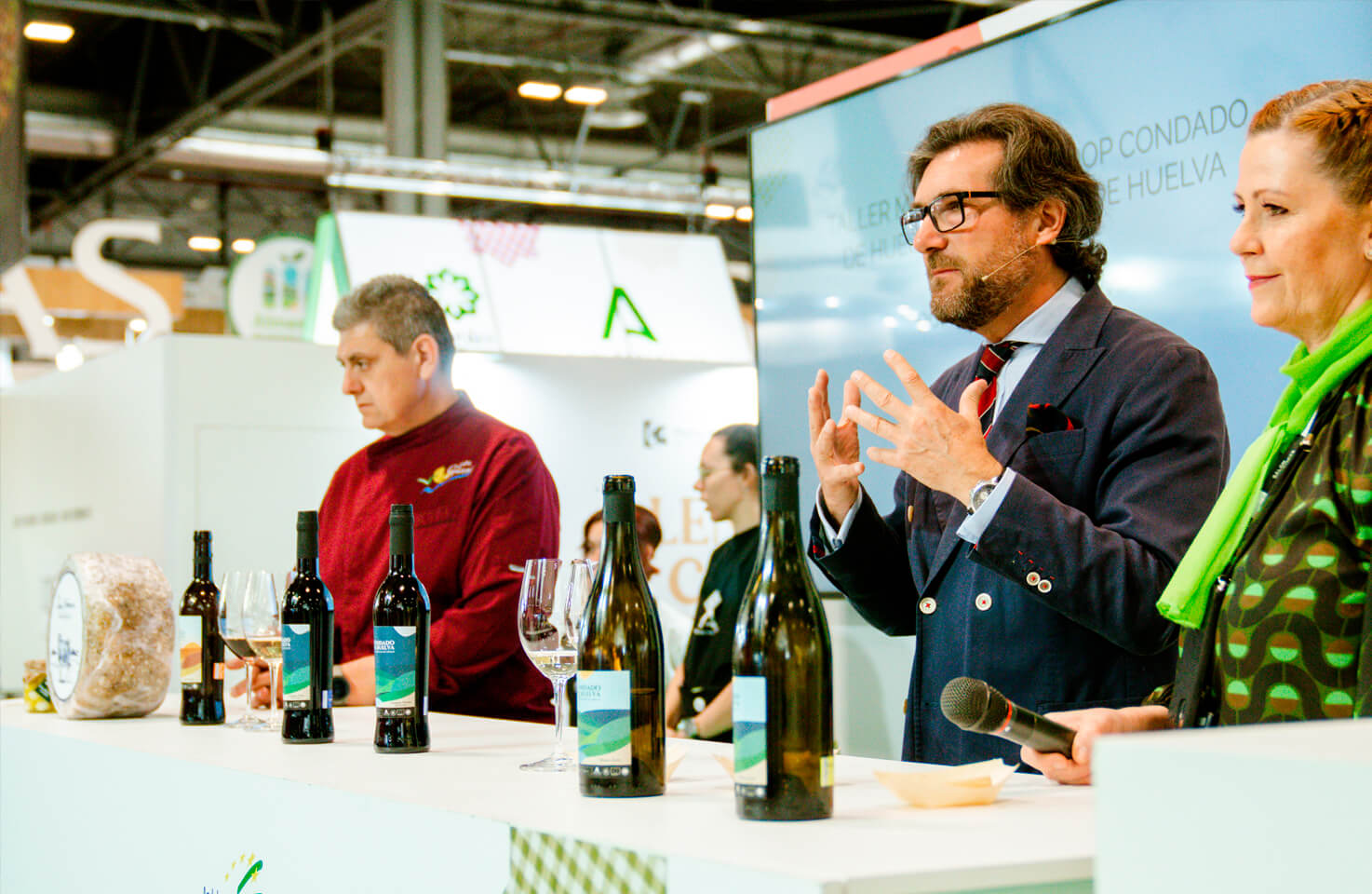
LA DOP ‘CONDADO DE HUELVA’ PARTICIPARÁ EN LAS PRINCIPALES FERIAS COMERCIALES VITIVINÍCOLAS
El Consejo Regulador de las denominanaciones de origen protegidas Condado de Huelva, Vinagre del Condado de Huelva y Vino
Ayuda de la Unión Europea
El Consejo Regulador de las Denominaciones de Origen de Huelva y Vino Naranja del Condado de Huelva, ha recibido una ayuda de la Unión Europea con cargo al Fondo Europeo Agrícola de Desarrollo Rural para la promoción de sus vinos y vinagres amparados.